
Reading Promotion in the Classroom
Reading Promotion in the Classroom
So, you want to get kids excited about reading in the classroom? It's a big job, but definitely doable. This article is all about the seven main things that can really help teachers make reading promotion happen. We're talking about practical approaches that can make a real difference for students. It's not always easy, but with these ideas, you can build a stronger reading culture in your classroom.
Key Insights
- A school library is a big help for promoting reading.
- Teachers play a significant part in getting students interested in books.
- Using children's books in class is a powerful way to teach.
1. The School Library
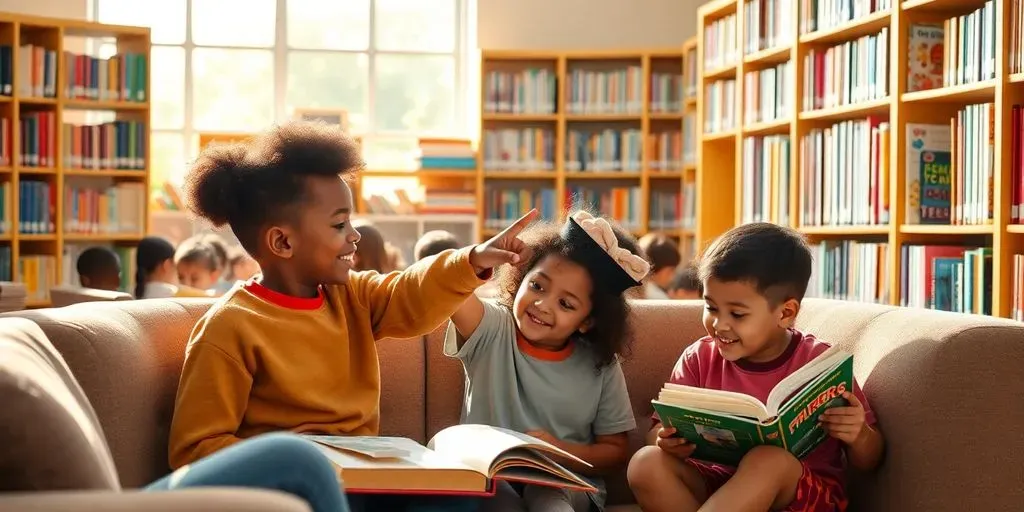
The school library is more than just a room full of books; it's the beating heart of reading promotion within a school. A well-stocked and inviting library can transform a student's attitude towards reading. It provides access to a wide range of materials, catering to different interests and reading levels. But it's not just about the books themselves; it's about creating a space where reading is valued and celebrated.
A vibrant school library fosters a culture of reading, encouraging students to explore new genres and authors, and ultimately, develop a lifelong love of reading. It's a place where they can discover enjoyable activities and connect with books in a positive way.
Here are some key elements to consider when developing a school library:
- Variety of Resources: Ensure a diverse collection of books, magazines, graphic novels, and audiobooks to cater to different tastes.
- Comfortable Environment: Create a welcoming and comfortable space with cozy seating, good lighting, and a relaxed atmosphere.
- Knowledgeable Staff: Employ librarians who are passionate about reading and able to offer guidance and recommendations.
- Regular Events: Organise book clubs, author visits, and reading challenges to engage students and promote reading.
It's also important to consider the library's role in supporting the curriculum. The library should provide resources that complement classroom learning, helping students to develop their research skills and deepen their understanding of different subjects. Think about how the library can be integrated into different subject areas, from history to science to art. The library can also be a valuable resource for teachers, providing them with access to professional development materials and curriculum resources. Ultimately, the school library should be a central hub for learning and reading within the school community.
2. Children's Books
Children's books are more than just stories; they're a powerful educational tool when used by a teacher who's both skilled and enthusiastic. They open doors to new worlds, ideas, and perspectives for children. It's about making sure teachers see the potential these books have for learning.
Think of children's books as a bridge. They connect the curriculum to a child's imagination, making learning an adventure rather than a chore. It's about sparking curiosity and a love for reading that lasts a lifetime.
Here are some ways to make the most of children's books in the classroom:
- Use them to explore different cultures and viewpoints.
- Encourage discussions and critical thinking about the stories.
- Connect the themes in the books to real-world issues.
- Use them as inspiration for creative writing and art projects.
3. Teachers
Teachers are, without a doubt, a cornerstone of reading promotion. Their enthusiasm and approach can make or break a child's relationship with books. It's not just about assigning reading; it's about creating a culture of reading within the classroom.
Think about it: a teacher who genuinely loves reading is far more likely to inspire that love in their students. They can recommend books, lead engaging discussions, and make reading feel like a treat, not a chore. It's about showing kids that reading isn't just something you have to do, but something you want to do.
Here are a few ways teachers can actively promote reading:
- Read aloud regularly: Even older students enjoy being read to. It's a great way to expose them to different genres and authors, and it models fluent reading.
- Create a classroom library: A well-stocked classroom library makes books easily accessible. Encourage students to donate books they've enjoyed to build up the collection.
- Book talks and recommendations: Have students share their favourite books with the class. This peer-to-peer recommendation can be incredibly powerful.
- Connect reading to real life: Show students how reading can help them understand the world around them. Use books to explore different cultures, historical events, and social issues.
Teachers who are passionate about reading and who create a supportive and engaging reading environment can have a profound impact on their students' lives. It's about more than just literacy; it's about fostering a lifelong love of learning.
It's also important to remember that teachers need support too. Providing them with resources, training, and opportunities to collaborate with other teachers can help them develop their skills and confidence in promoting reading. After all, collaborative reading strategies are key to inclusive learning. Children's books are a powerful teaching medium in the hands of a motivated and skilled teacher.
4. The Teacher's Journey: Building a Foundation for Reading Advocacy
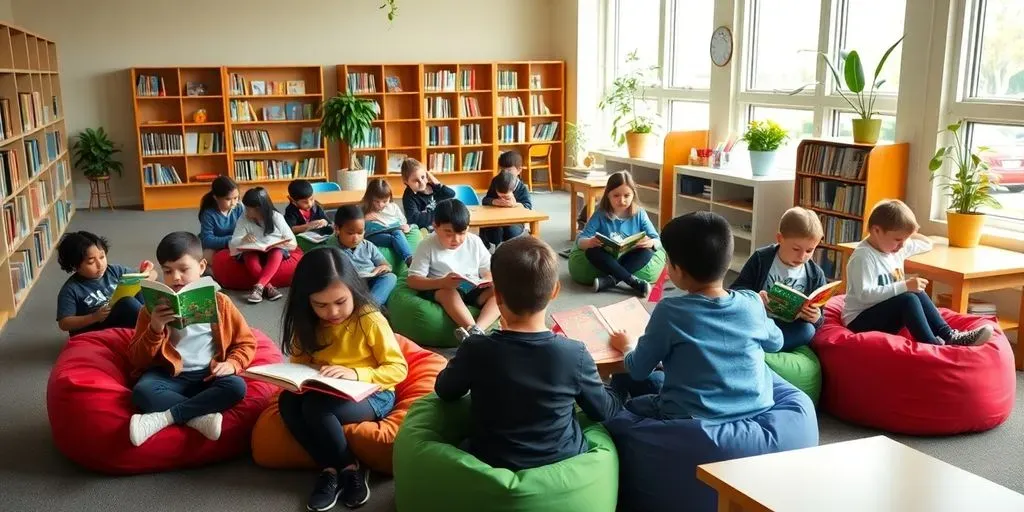
This section delves into the experiences and influences that have shaped an educator's approach to reading promotion. It's like looking at the roots of a tree to understand its branches. It's not just about listing qualifications; it's about understanding the journey that creates a passionate reading advocate.
A teacher's path is influenced by various roles, from classroom teacher to advisor, and each role adds a layer to their understanding of how to effectively promote reading. It's about building a solid foundation of knowledge and skills.
Reading aloud is essential. In my busy family, my mother always found time to read to me before bed. For my eleventh birthday, I received Robinson Crusoe by Daniel Defoe, which became a pivotal book.
Here's a glimpse into the key elements that have shaped this approach:
- Formal Education: Teacher training provides subject knowledge, teaching skills, and a pedagogical perspective.
- Classroom Experience: Working as a teacher allows for experimentation with ideas and collaboration with colleagues.
- Further Studies: Studies in areas like literature and drama can broaden an educator's understanding of storytelling and performance.
A career progression might include:
- Teacher: Honing skills and experimenting with different teaching methods.
- Head Teacher: Leading a school and implementing innovative approaches to education.
- School Advisor: Supporting schools in implementing changes and promoting reading.
As a school advisor, the focus is on helping schools improve their reading promotion efforts. This involves providing practical suggestions, facilitating collaboration, and developing courses for teachers. Working with a children's bookstore also provides invaluable insight, helping customers choose books and advising schools on reading promotion. It's all about showing the possibilities that books offer.
5. The School's Role
The school environment plays a massive role in promoting reading. It's not just about having books; it's about creating a culture where reading is valued and enjoyed. A school that prioritizes reading will see a significant impact on pupils' literacy skills and overall academic performance.
Consider this: a school with a well-stocked library is great, but if the library isn't inviting or the books aren't relevant to the pupils, it won't be used. It's about making reading accessible and appealing.
Schools need to actively promote reading through various initiatives, making it a central part of the school day and ethos.
Here are some ways schools can boost reading:
- Dedicated reading time: Schedule time each day for pupils to read independently or as a class. This could be silent reading, shared reading, or group reading activities.
- Book clubs: Encourage pupils to join or start book clubs to discuss books with their peers. This fosters a sense of community and encourages critical thinking.
- Author visits: Organise visits from authors to inspire pupils and give them a chance to learn about the writing process. This can make reading feel more real and exciting.
It's also important to involve parents and the wider community in reading promotion efforts. Schools can host reading events, workshops for parents on how to support their children's reading, and partner with local libraries and bookshops.
Changes in educational processes are more successful if the facilitator motivates, stimulates, takes work off their hands and ensures optimal input from the teachers. Reciprocal reading protocols empower students to engage in academic conversations, fostering collaboration among learners.
Ultimately, a school that prioritizes reading creates a generation of lifelong learners who are equipped with the skills and knowledge they need to succeed in all areas of life.
6. The Power of a Series: Pim Pandoer (A Dutch Classic)
I remember Pim Pandoer! It's funny how certain books stick with you from childhood. For me, it was this classic Dutch series. I read them during free reading time at primary school, and I still have a few of the books now.
Finding ways to connect reading to other subjects is really important. It makes learning more interesting and helps kids see how everything is connected.
I think the key is to find books that kids actually enjoy. If they're not into it, it's going to be an uphill battle. Make it fun, make it relevant, and let them choose what they want to read.
Here are some ideas to get kids excited about reading:
- Book clubs: Let kids discuss books together.
- Author visits: Meeting an author can be really inspiring.
- Reading challenges: Offer small rewards for reaching reading goals.
7. Pim, Frits and Ida (A Dutch Reading Series)
Remember those old reading series? Pim, Frits and Ida was one of them, written by the famous Dutch author Godfried Bomans. It's funny to think about now, but back then, these books were how many of us learned to read in the Netherlands.
It's interesting how something so simple can leave such a lasting impression. These books weren't literary masterpieces, but they were effective. They gave us a shared experience, something to talk about and connect over.
I remember the class reading aloud, each of us stumbling over words, trying to keep up. It wasn't always pretty, but it was a start. It's a reminder that sometimes the most basic tools can be the most important.
Here's a quick look at why these series were so popular:
- Simple language: Easy for beginners to understand.
- Relatable characters: Kids could see themselves in the stories.
- Structured progression: Gradually increased in difficulty.
- Classroom-friendly: Designed for group reading and discussion.
Pim, Frits, and Ida are just a few of the many characters you'll meet in classic reading series. Each one helps kids discover the joy of reading. Want to see how our app can help your school's library? Head over to our website and discover how we give 100% control over the school library and the right book for every pupil.
Bringing It All Together
So, there you have it. We've gone through a few ideas that can really help get kids into reading. It's not about doing one big thing, but more about putting a bunch of smaller, good things into practice. Think of it like building something — each piece helps the whole thing stand strong. When teachers feel good about what they're doing with books, and they see how much books can do for learning, that's when the magic happens. It's about making reading a natural, fun part of the school day, not just another task. And when that happens, everyone wins, especially the kids.
Frequently Asked Questions
What's the big deal about school libraries for helping kids read?
A school library is more than just a place with books. It's a key spot where students can learn to love reading and get better at it. Think of it as a digital helper for the school, making it easier for teachers to manage all the books and resources. It also encourages kids to pick up a book and explore new stories, which helps them become stronger readers.
How can children's books be useful in the classroom?
Children's books are extremely powerful tools for teachers. When a teacher knows how to use them well and is excited about them, these books can really make learning fun and effective. They help teachers see how much good a story can do in the classroom, making kids more interested in reading and learning new things.
What helps school changes happen smoothly?
Making changes in schools works best when someone is there to cheer everyone on, offer help, and make sure teachers can easily share their ideas. It's about giving teachers the support they need so they feel good about trying new things and making improvements.
Continue Your Reading Journey
This article is part of a larger series on building a comprehensive approach to reading promotion in the classroom.
- Start with the foundation: The Building Blocks of a Vision on Reading Promotion: An In-depth Analysis
- Read next: → The Benefits of Reading Aloud