
Kids Books Classroom Teaching Tools
Kids Books Classroom Teaching Tools
So, you're thinking about how to make your classroom even better, right? Well, let's talk about something that often gets overlooked but is actually very effective: children's books. They're not just for bedtime stories or quiet reading time. Nope. These books can be a really strong way to teach all sorts of things in school. We're going to look at how using children's books as a powerful teaching tool can make a big difference for your students, helping them learn and grow in fun, new ways.
Key Insights
- Children's books can really help kids get better at reading and understanding stories.
- Putting these books into everyday lessons can make learning more interesting and hands-on.
- Using stories helps children think more deeply and talk about what they've read.
Cultivating Literacy Through Engaging Narratives
The Transformative Power of Storytelling in Education
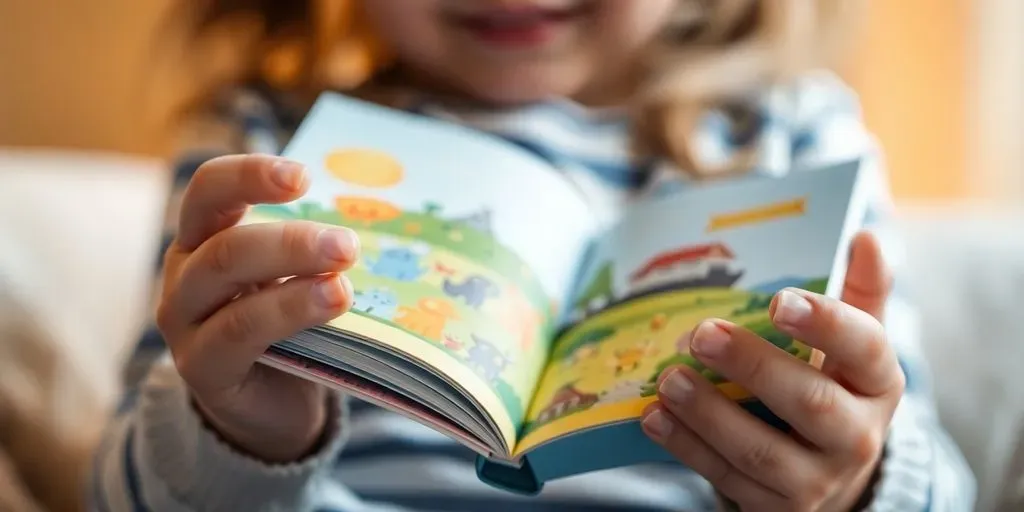
Storytelling is more than just an enjoyable activity; it's a cornerstone of learning and development. It allows children to engage with language in a meaningful way, sparking their imagination and building crucial literacy skills. When children listen to or read stories, they're not just passively receiving information. They're actively constructing meaning, making connections to their own lives, and developing empathy for others. This active engagement is what makes storytelling such a powerful tool in the classroom. It's about creating an environment where children are excited to learn and explore the world around them through the magic of narrative. Consider how a simple tale can introduce complex concepts in an accessible way, making learning both enjoyable and effective. For example, a story about a journey can teach geography, while a tale of friendship can explore social skills. Classroom strategies are essential for effective teaching.
Enhancing Reading Comprehension with Children's Books
Children's books are brilliant for boosting reading comprehension. It's not just about decoding words; it's about understanding the meaning behind them. Using children's books, we can help pupils develop a range of comprehension skills, such as:
- Identifying the main idea
- Making inferences
- Understanding character motivations
- Recognizing different points of view
By using children's books, teachers can create a dynamic and engaging learning environment that fosters a love of reading and promotes literacy development. It's about making reading an active and enjoyable experience, rather than a chore.
One effective strategy is to use picture books to teach visual literacy. The illustrations can provide clues about the story, helping children to make predictions and understand the text. Another approach is to use graphic novels, which combine text and images to create a visually appealing and accessible reading experience. These can be particularly helpful for reluctant readers or those who struggle with traditional texts. The key is to choose books that are age-appropriate, engaging, and relevant to the curriculum. The right book can spark a child's curiosity and inspire them to become lifelong readers. The use of age-appropriate books is key.
Integrating Children's Books as a Powerful Teaching Tool
Practical Strategies for Classroom Implementation
So, you're keen to use children's books more in your classroom? Great! It's not just about story time; it's about weaving literature into the fabric of your lessons. Start small, maybe with one book a week tied to a specific subject. Think about how you can use the book across different activities. For example, if you're reading a book about animals, you could then do a science lesson on animal habitats or a writing activity where the children create their own animal stories.
Here are a few ideas to get you started:
- Themed Book Boxes: Create boxes filled with books related to a specific theme (e.g., space, friendship, dinosaurs). Children can explore these independently or in small groups.
- Interactive Read-Alouds: Don't just read at the children; read with them. Ask questions, encourage predictions, and pause to discuss key events.
- Creative Responses: Move beyond simple comprehension questions. Encourage children to respond to the books through art, drama, or music. For example, after reading a book about feelings, children could create a collage representing different emotions.
Remember, the key is to make reading an active and engaging experience. It's about sparking curiosity and encouraging children to think critically about the world around them.
And don't forget about the power of children's books in music education! They can be a fantastic way to introduce musical concepts and inspire creativity.
Fostering Critical Thinking and Discussion Through Literature
Children's books aren't just for entertainment; they're a springboard for critical thinking. Choose books that present different perspectives or explore complex themes. This could be anything from dealing with bullying to understanding environmental issues. The goal is to encourage children to question, analyse, and form their own opinions.
Here's how you can use literature to spark meaningful discussions:
- Open-Ended Questions: Avoid questions with simple yes/no answers. Instead, ask questions that encourage children to elaborate and explain their reasoning. For example, "Why do you think the character made that decision?"
- Debate and Role-Playing: Use books as a basis for debates or role-playing activities. This allows children to explore different viewpoints and develop their communication skills.
- Character Analysis: Encourage children to analyze the characters in the books. What are their motivations? What are their strengths and weaknesses? How do they change throughout the story?
Consider using a simple table to track character traits:
| Character | Trait 1 | Trait 2 | Trait 3 |
|---|---|---|---|
| Character A | Kind | Brave | Impulsive |
| Character B | Cautious | Loyal | Insecure |
| Character C | Humorous | Intelligent | Independent |
By using these strategies, you can transform children's books into a powerful tool for enhancing reading comprehension and developing critical thinking skills in your classroom.
Using children's books in lessons is a fantastic way to make learning enjoyable and help kids understand things better. They can really bring subjects to life! If you're keen to get a handle on your school's book collection and make sure every pupil finds the perfect read, head over to our website. We've got some brilliant tools to help you out.
Bringing It All Together
So, there you have it. We've talked a lot about how children's books can be a really good tool in the classroom. It's not just about reading; it's about helping kids learn a variety of subjects, from understanding different feelings to getting better at talking about ideas. When teachers use these books well, it makes a big difference. It helps students get excited about reading and learning, which is what we all want. It's pretty clear that these books are a simple, yet powerful, way to help young people grow.
Frequently Asked Questions
Why are children's books so important for improving reading skills?
Children's books are extremely important for helping kids learn to read better. They make reading fun and easy to understand. When kids enjoy what they're reading, they get better at it without even trying. The School Library app helps with this by making it simple for teachers to find great books and for students to get excited about reading.
How can teachers use children's books in new and exciting ways in the classroom?
Using children's books in class means more than just reading them aloud. You can have students act out parts of the story, draw pictures about what they read, or even write their own endings. These activities help kids think deeply about the story and share their ideas, which is great for their brains.
Are children's books only for young children, or can older students benefit from them too?
Yes, absolutely. Even older students can learn a lot from children's books. These books often have important lessons and can start interesting talks about big ideas. They can also help older students who might struggle with reading feel more confident because the language is simpler, but the stories are still meaningful.
Continue Your Reading Journey
This article is part of a larger series on building a comprehensive approach to reading promotion in the classroom.
- Start with the foundation: The Building Blocks of a Vision on Reading Promotion: An In-depth Analysis
- Read next: → Inspiring Figures in British Education