
The teacher as pizza maker: a new perspective on reading instruction
The Teacher as Pizza Maker: A New Perspective on Reading Instruction
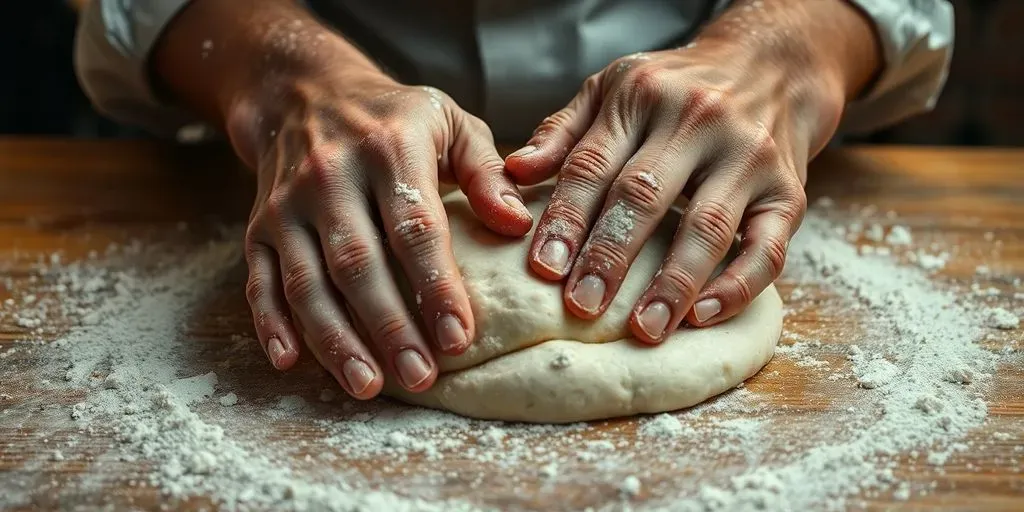
So, you know how everyone talks about teachers being like, extremely important? Well, yeah, they are. Especially when it comes to getting children to read. Sometimes it feels like all these reading methods take over, and there's this weird battle between just getting kids to love books and teaching them how to read properly. This article is going to dig into that a bit, and also look at some new ideas in reading education. We're even thinking about how a cool app could help out school libraries and get more children into reading. Basically, it focuses on making reading fun and useful for kids in primary and secondary school.
Key Insights
- Teachers are really important for getting children to read, even more than just sticking to a strict method.
- New tech, like a school library app, can help libraries and make reading more interesting for pupils.
- Changing what and how we teach in schools is needed to make reading education better for everyone.
The Teacher as Pizza Maker: A New Perspective on Reading Education
The Relationship Between Teacher and Method
Imagine the teacher not as a mere instructor, but as a skilled pizza maker. Just as a pizzaiolo carefully selects ingredients and crafts a masterpiece, a teacher should thoughtfully choose and adapt methods to suit their students' needs. It's about finding the right balance. Too often, the method dictates the lesson, overshadowing the teacher's expertise and understanding of their class.
Think about it: a pizza recipe is just a guide. A great pizza maker knows when to adjust the cooking time, add a pinch of extra seasoning, or even swap out an ingredient based on what they have available and what their customers like. Similarly, a teacher should feel empowered to modify and personalise their approach, rather than rigidly adhering to a textbook. This is especially true when it comes to reading. The Pizza Parlour role-play area can be a great way to engage pupils.
- Understanding individual student needs
- Adapting teaching methods accordingly
- Fostering a love of learning, not just rote memorisation
The best teachers are those who can see beyond the prescribed curriculum and connect with their pupils on a personal level. They understand that learning is not a one-size-fits-all process and are willing to adjust their approach to meet the unique needs of each child.
From Leader to Facilitator
The traditional image of the teacher as the all-knowing leader is fading. Today, the teacher's role is evolving into that of a facilitator, guiding pupils on their learning journey. This shift is partly driven by changes in classroom organisation, with more emphasis on individual and small group work. While these approaches offer benefits, such as allowing students to learn at their own pace, they also present challenges. It can be harder to maintain a strong pedagogical approach when the teacher isn't directly leading the whole class. The focus should be on curriculum adjustments to better suit the needs of the students.
Consider these points:
- Encouraging collaboration and peer learning
- Providing individualised support and guidance
- Creating a student-centred learning environment
| Grouping Style | Advantages | Disadvantages |
|---|---|---|
| Individual | Self-paced learning, focused attention | Potential for isolation, lack of collaboration |
| Small Group | Collaboration, peer support, targeted help | Potential for uneven participation |
| Whole Class | Shared experience, efficient instruction | May not cater to individual needs |
The key is to find a balance between direct instruction and facilitated learning, ensuring that all students have the opportunity to thrive. It's about empowering them to take ownership of their education and become lifelong learners.
Rethinking Literacy: Beyond Traditional Methods
Traditional methods of teaching reading can sometimes feel a bit like trying to fit a square peg into a round hole, can't they? It's like, we're all different, so why should we all learn the same way? It's time to shake things up a bit and look at some fresh approaches. We need to move beyond just drilling phonics and sight words and start thinking about how children genuinely engage with reading in the real world.
The School Library App: A Digital Assistant for Literacy
Imagine having a school library right at your fingertips, accessible at any time, anywhere. That's the idea behind the school library app. It's not just about e-books; it's about creating a digital space where children can discover new books, get recommendations, and even connect with other readers. This app can act as a digital assistant for literacy, providing personalised reading suggestions based on a student's interests and reading level. Think of it as a 24/7 librarian, always ready to help a child find their next great read. It could also include features like:
- Interactive quizzes to check comprehension
- Audio recordings of books for struggling readers
- A forum for pupils to discuss books with their classmates
The key is to make reading fun and accessible. If children enjoy what they're reading, they're more likely to stick with it and develop a lifelong love of books.
Curriculum Adjustments for Enhanced Reading
It's not enough to just add a fancy app and expect everything to magically improve. We also need to look at how we're structuring the curriculum itself. Are we giving children enough choice in what they read? Are we connecting reading to other subjects in a meaningful way? One thing we could do is to ensure that the science of reading is a key part of the curriculum.
Here are a few ideas for curriculum adjustments:
- Incorporate more project-based learning: Let pupils choose a topic they're passionate about and then research it using a variety of sources, including books, articles, and websites.
- Offer a wider range of reading materials: Move beyond the traditional canon and include books that reflect the diversity of our pupils' experiences. This could include graphic novels, magazines, and even fan fiction.
- Make time for independent reading: Give pupils dedicated time each day to read whatever they want. This allows them to explore their interests and develop their own reading habits.
| Adjustment | Benefit |
|---|---|
| Project-Based Learning | Increases engagement and connects reading to real-world applications. |
| Diverse Reading Materials | Makes reading more relevant and inclusive. |
| Independent Reading Time | Fosters a love of reading and develops independent reading habits. |
By making these adjustments, we can create a more engaging and effective reading curriculum that meets the needs of all learners. It's about moving away from a one-size-fits-all approach and embracing the idea that every child learns differently. We need to rethink literacy and make it something that kids actually want to do, not something they feel like they have to do.
It's time to look past old-fashioned ways of teaching reading. We need new ideas to help kids truly love books and learn better. Want to see how we can make reading exciting for every child? Explore our website to learn more!
The Pizza Baker's Secret Ingredient: A New Recipe for Reading
So, what have we learned from our journey with the pizza baker? It's pretty clear, isn't it? Getting children excited about reading isn't about sticking to old, boring methods. It's about making it real, making it fun, and letting teachers teach. We've seen how focusing too much on strict rules and textbooks can actually make kids switch off. But when you bring in good books, let children explore, and give teachers the freedom to be creative, that's when the magic happens. Just like a great pizza needs the right ingredients and a skilled hand, helping kids read better needs a fresh approach. It's about sparking that joy, that curiosity, and letting them discover the amazing stories waiting for them. Maybe it's time we all took a leaf out of the pizza baker's book and cooked up something truly special for our school libraries and our children' reading journeys.
Frequently Asked Questions
What exactly is the School Library App?
The School Library App is a clever digital tool designed to help school librarians manage their book collections more easily. It also aims to get pupils excited about reading and help them become better at it. Think of it as a helpful sidekick for literacy.
How does the 'teacher as pizza maker' idea change how we see teaching?
The idea is to shift how we view teachers. Instead of merely delivering information, they become more like guides or coaches. This means they focus on helping each student learn in their own way, rather than just following a strict textbook plan.
Will changing the curriculum really make a difference in how well pupils read?
Yes, definitely! The article suggests that traditional teaching methods sometimes miss the mark. By making changes to what and how we teach — like using the School Library App or letting teachers choose more engaging topics — we can make reading education much more effective and enjoyable for pupils.
Continue Your Reading Journey
This article is part of a larger series on building a comprehensive approach to reading promotion in the classroom.
- Start with the foundation: A Different Vision for Reading Education Exploring
- Read next: → Away with confetti: time for deepening education